
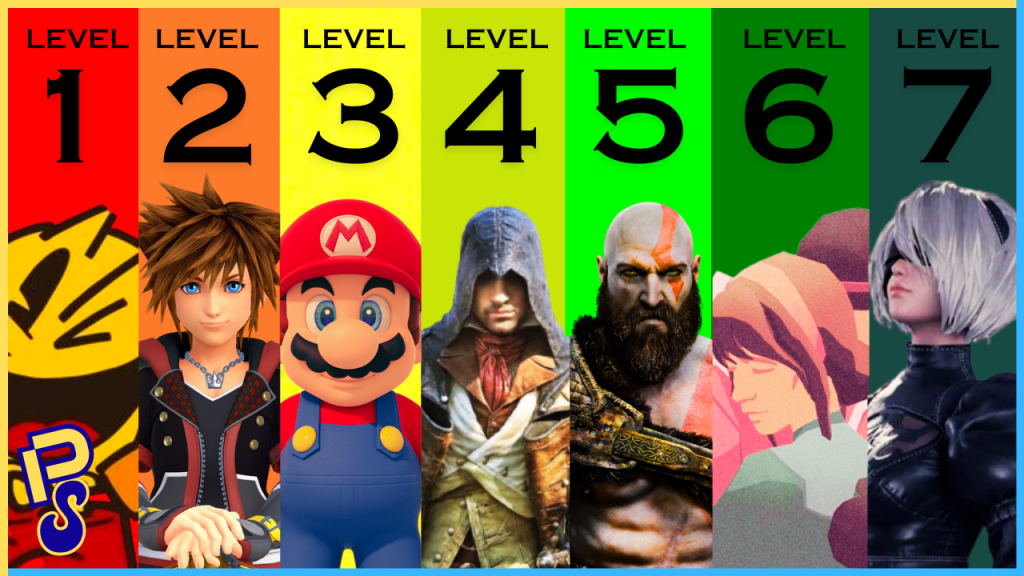
As a writer with a filmmaking background who loves cinema and a good book, I go to art, in general, to be moved by great storytelling. Video games, for me, are no different. “Story is king” is what I often say when asked what makes a great video game. Actually, I’d argue that most people’s favourite games are their favourite games in large part due to those games’ stories, lore, and characters.
Not all games need a story, of course, but a good narrative can push a good game into the upper echelons of greatness. And a bad story? A bad story can make even a decent game a chore to get through. Now, some might argue that most video game stories are terrible. And though I can understand that sentiment, seeing how storytelling is oftentimes the last thing developers have historically thought about when making their games, some genuinely phenomenal tales have been spun since the dawn of this medium. So, here are what I believe to be the seven levels of storytelling in video games.
Level 1: Non-Existent
These aren’t games that have a terrible story (that’ll be coming in a bit). Rather, games that have zero story. Examples of games at this level include classics such as Tetris and Pac-Man, mobile titles like Threes and Candy Crush, multiplayer games like Rocket League and Counter-Strike, family games like Wii Sports, and traditional sports games like FIFA and NBA 2K (excluding their respective “MyPlayer” modes, of course).
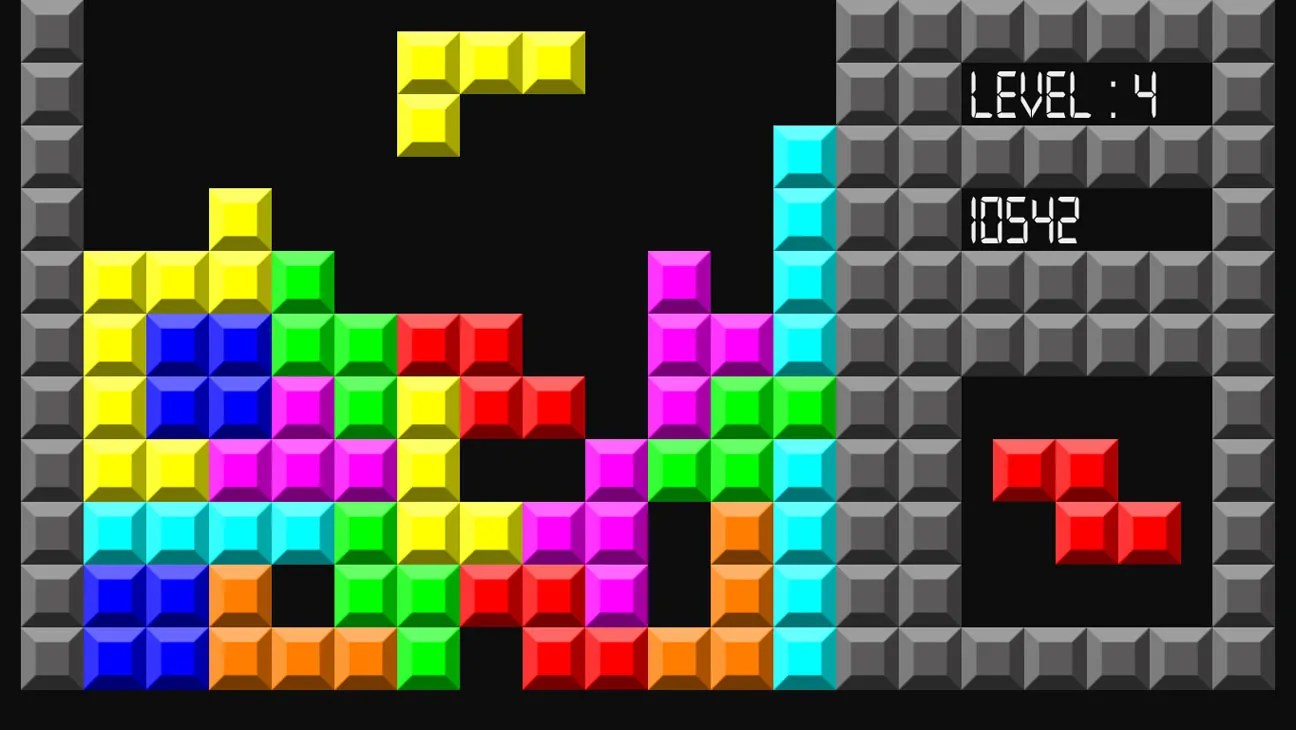
Games whose sole focus is on their gameplay and/or multiplayer experiences. There may be some hints of lore hidden in their environments, but nothing official has been written or shared by the developers. Now, if you’ve conjured up a narrative in your head while playing one of these games – like Pac-Man is some demon who’s being hunted by the ghosts of children – that’s on you. But officially, these titles are here for their gameplay and/or multiplayer experiences, and nothing else.
Level 2: Terrible
At this level, a game may have a story, but the writer probably would’ve been better off leaving their pen at home. From awful characterization to a nonsensical plot and horrid attempts at narrative themes, the stories at this level are actively detrimental to the gameplay experience. Now, don’t get it twisted, these aren’t games that have simple stories where basic narrative is used only as an excuse to propel the player forward. Rather, these are titles that are actively attempting to be story-forward but fail miserably.
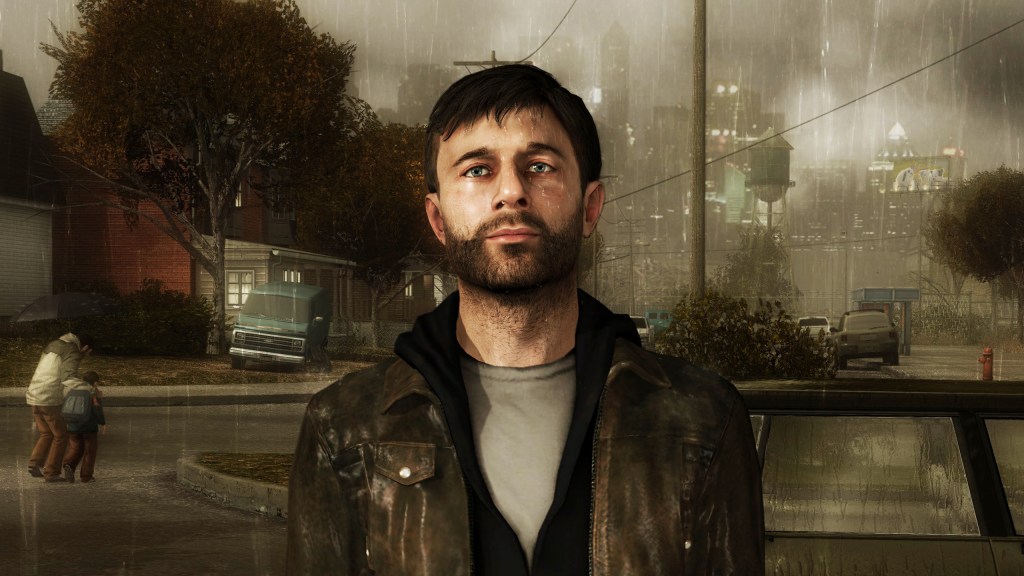
Personally, I’d put pretty much any game written by David Cage at this level. The most notorious being Heavy Rain, which, though it has some decent cinematic presentation and was unique for its time for what it was doing, is atrocious regarding characterization, dialogue, and plot. Not to mention the God-awful English voiceover. All of which, combined with an already obtuse gameplay experience, made for a game that was a chore to finish.
Other games can include titles like Sonic 2006 and Borderlands 3, the former of which is tonally absurd and goes into some bizarre territory with Sonic and his human love interest (uhm, ew?). The latter makes you trudge through a banal story with characters that are awfully written and boring. Additionally, and I’m going to get a lot of flak for this one, but I’d also put the entirety of the Kingdom Hearts franchise at this level, as well. KH fans, please don’t come at me, I’m one of ya’ll and will be first in line when Kingdom Hearts 4 hits the shelves. But let’s keep it a band; none of this is good storytelling.
At the risk of pissing off another Square Enix fandom, I’m also going to put Final Fantasy VII Remake and especially Rebirth at this level. As someone who has the OG FFVII on their all-time top 20 list, I honestly cannot fathom how Nomura and his gaggle of writers could mess up such an iconic story with so much unnecessary bloat, absurd retcons, cringey dialogue, and an overall Disney-Kingdom Hearts-ification that made my eyes roll so far back in my head I got a migraine. And I say this without an ounce of nostalgia, by the way, as I played the OG VII only after I’d played Remake.

Some other dishonourable mentions for this level would be many of the Call of Duty campaigns, some of the MyPlayer “stories” in NBA 2K games, and a few (if not the majority) of Platinum Games’ titles. Though I’d argue their awful stories don’t necessarily detract from their games, as they often have some of the best gameplay, so maybe I’d keep them off this level. The game I won’t keep off this level, however, is the 2013 classic, Ride to Hell: Retribution, a game with possibly some of the worst writing and voice acting the medium has ever seen. Not to mention it’s misogynistic as f*ck, too.
A game like Death Stranding could also be here for some. Or it could be at Level 7, depending on who you ask. I am, thankfully, not one of those crazy people and would put Kojima’s brainchild here (although, will admit, it has some Level 7 moments). A lot of fighting games from established IPs like Mortal Kombat could also make it on this list, but I’ll let MK fans decide which deserve to make it here in the comments below. And then, if you want to travel way back in time, there are boatloads of shovelware games from the ’80s, ’90s, and 2000s that could easily make their case for this level. Custer’s Revenge, anyone?
Level 3: Simple
A game doesn’t need to tell a story that has you ponder the meaning of life. Sometimes, it can just be a story about a mustachioed plumber trying to save a princess named after a fruit from an evil turtle. This is what level three storytelling is all about. Simple narratives that exist only to give the player-character some surface-level motivation and an excuse to make their way to the next objective.
There aren’t any moral quandaries here; you won’t find deep existential themes that explore the human experience, nor political discussions questioning the follies of capitalism. It’s simply, “good guy good; bad guy bad; go save the world.” Now, I was about to call this the “Nintendo Level,” but that’d be a little unfair. Nintendo have told some genuinely interesting narratives with some of their Zelda and Metroid games, using environmental storytelling to touch upon a variety of intriguing themes. But, yes, many Nintendo games tell simple, lighthearted tales that exist merely as a launchpad to set the player off on their wondrous adventure.

(Image: Nintendo/Future)
Other games can include mobile titles like Angry Birds. Yes, Angry Birds has a story. The pigs stole the birds’ eggs, so they gotta go f*ck ‘em up. That’s a story. And y’know what? It’s motivation enough for me. F*ck them pigs. I’m sure plenty of other titles aimed at very young children can exist at this level; PS2 Nickelodeon games come to mind, for instance.
Level 4: Vanilla
At this level, we’re finally getting to games that attempt and mostly succeed in telling cohesive narratives with decent characters and maybe even some jabs at deeper narrative themes. Unfortunately, the overall storytelling experience still ends up being fairly “meh.” Maybe there’s nothing outright bad about the story, but there’s also nothing inspired or compelling.
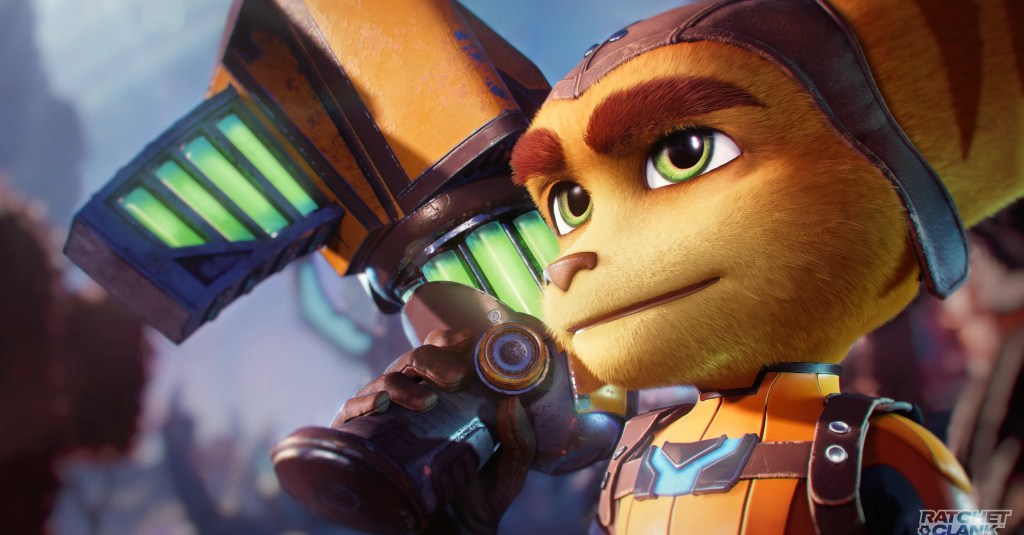
Games that come to mind at this level would be many of the Dragon Quest titles. From the ones I’ve played, at least, they’ve all been your bog-standard “chosen one” story with a big ol’ baddie who doesn’t really have anything beyond their evil, mustache-twirling machinations. I’d say some (not all) of Sony’s classic mascots had games that were fairly safe in the narrative department, too—the recent Ratchet & Clank games come to mind, as does the original Jak and Daxter. A few Assassin’s Creed, Far Cry—well, honestly, many of Ubisoft’s games could exist at this level, too. As could some of the Yakuza games—four and five, in particular. Though that’s more because of how convoluted and soap-opera-y their narratives got, making for an overall fatiguing storytelling experience that failed to leave a long-lasting impression.
A lot of shooters, both first and third-person, can make themselves comfortable here. Gears of War 1 and 4, some of the Call of Dutys and Battlefields, the first Uncharted, The Order: 1886, and potentially Destiny, based on the two dozen hours I’ve played and what I’ve read and heard from fans of the game.
Level 5: Good
At level five is when we kick things up a notch. Games that not only tell cohesive and coherent stories, but ones that effectively write character motivations and psyches, build evocative worlds, and successfully pen plots with some decent thematic depths. Maybe these elements don’t go as far as I’d like and play some of it a little too safe; nevertheless, the result is still commendable, engaging, and memorable. These are your Uncharted 4s of the world. Your Ghost of Tsushimas; your Horizon: Forbidden Wests; your God of War—wait a second…yeah, honestly? Come to think of it, you can put most of Sony’s first-party outings over the past couple of generations at this level. Good – sometimes great – games with good stories that don’t necessarily cross over into “greatness” territory.
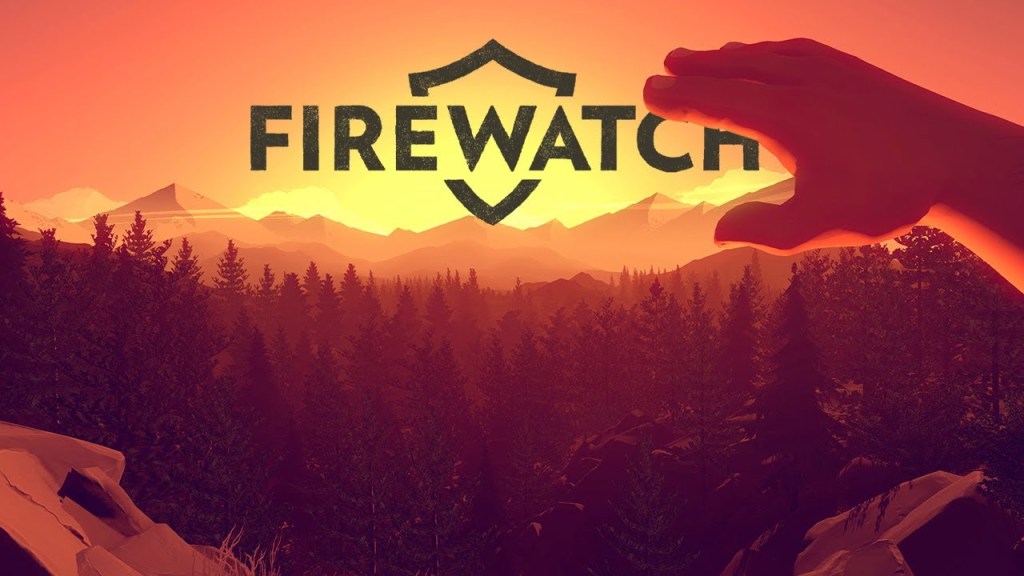
Many indie games start popping up at this level, too. Games like Brothers: A Tale of Two Sons, The Artful Escape, Oxenfree, and Firewatch. A Tale of Two Sons still has one of my favourite moments in gaming history from a ludonarrative level, one that made me cry. Then, 360-era classics like Batman: Arkham Asylum, Halo 3, Gears of War 2 and 3, and the original Alan Wake would make themselves comfortable at this level, as well. I’d also put a couple of Zeldas and Metroids here, too. Specifically, Ocarina of Time, and both Super Metroid and the original Metroid Prime; mainly for their evocative atmospheres and compelling environmental storytelling. Speaking of environmental storytelling, many of FromSoftware’s titles could easily make themselves home here.
Level 6: Great
At the penultimate level, we’re now starting to go beyond just a good plot and well-written characters. We’re beginning to delve into narratives that cut into strong themes – either on a character level or a larger, philosophical level – and use the medium of video games to explore those themes with some nuance. These games may not always succeed in doing so, or fall shy of reaching those greater depths, but they are great examples of the potential of storytelling in video games.

Examples of level six storytelling include titles like Red Dead Redemption 2, Psychonauts, Persona 4, and Mafia III (yes, the game kinda sucks, but the story, characters, voice-acting, and world are some of the best). Classic JRPGs like Final Fantasy VI and Chrono Trigger are Square at arguably the height of their storytelling prowess, and deserve a spot at this level. Those games are what developers like Sandfall Interactive have taken inspiration from to make games like Clair Obscur: Expedition 33, which is a game I’d also put at this level. As I would Xenoblade Chronicles 3, a game I’d reviewed back when I was writing for Gameluster.com and gave a perfect 10/10, in large part due to its terrific story and world-building.
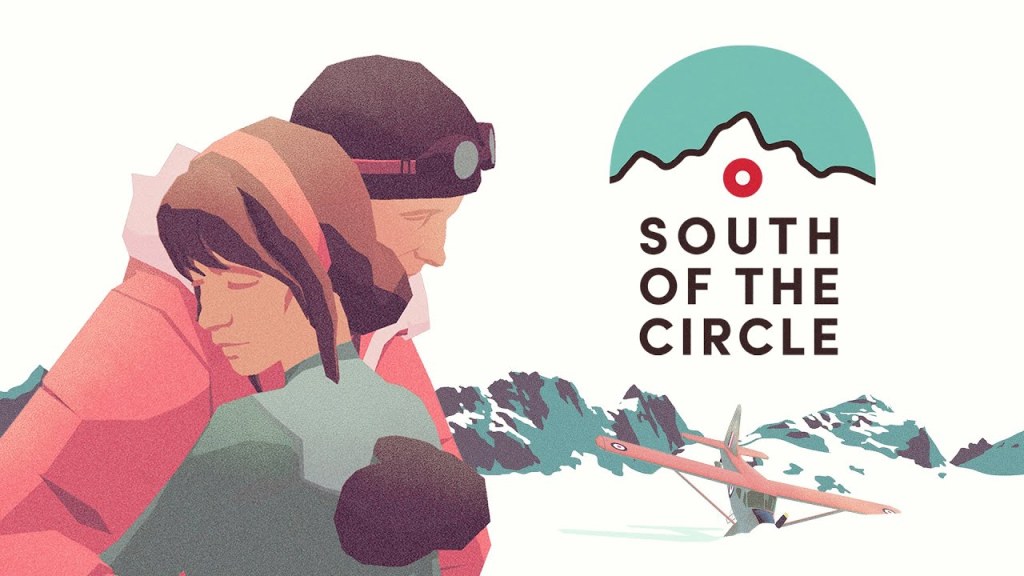
Then you have more examples from the PS3/Xbox 360 era like BioShock, Journey, Mass Effect 2, Portal 2, and The Last of Us. And, of course, indie games are a dime a dozen at this level. Gris, South of the Circle, Venba, What Remains of Edith Finch, and Gone Home—all tremendous examples of stories that utilize the medium to enhance their narratives to great effect. Gris is an interesting example that showcases how you don’t need dialogue or even a line of text to effectively tell a poignant story – in this case, one of overcoming depression – so as long as you know how to use gameplay, physics, and gorgeous audiovisuals in a manner that’s tied to your narrative.
Level 7: Peak (Gaming) Fiction
Here we are. The pinnacle. The peak of fiction in video games. At this level, it’s not just about a perfectly told story or flawlessly written characters. Frankly, I don’t know if either of those things actually exists. Rather, level seven is about how a game uses every element of its medium to evoke emotions. Not just the writing, not just the voice-acting, not just the penned plot beats, but the gameplay, music, art-design, animations—all the tools the developers have at their disposal to create a narrative that makes you think, question, and feel. A coalescence of every department of the studio to bring forth something special, something unique. Something that sticks with you for years, if not decades.
Everyone’s level seven examples are going to differ. For me, games like NieR: Automata, Disco Elysium, and Outer Wilds deservedly exist at this level. What’s interesting is that I don’t actually like a lot of the elements of Outer Wilds, on a gameplay and design front. I found a lot of the moment-to-moment gameplay frustrating or tedious. Yet, there were a few times where it made me feel things I’d never felt before with any game. Feelings of fear, isolation, and anguish that were oddly juxtaposed with a sense of ease and bliss.
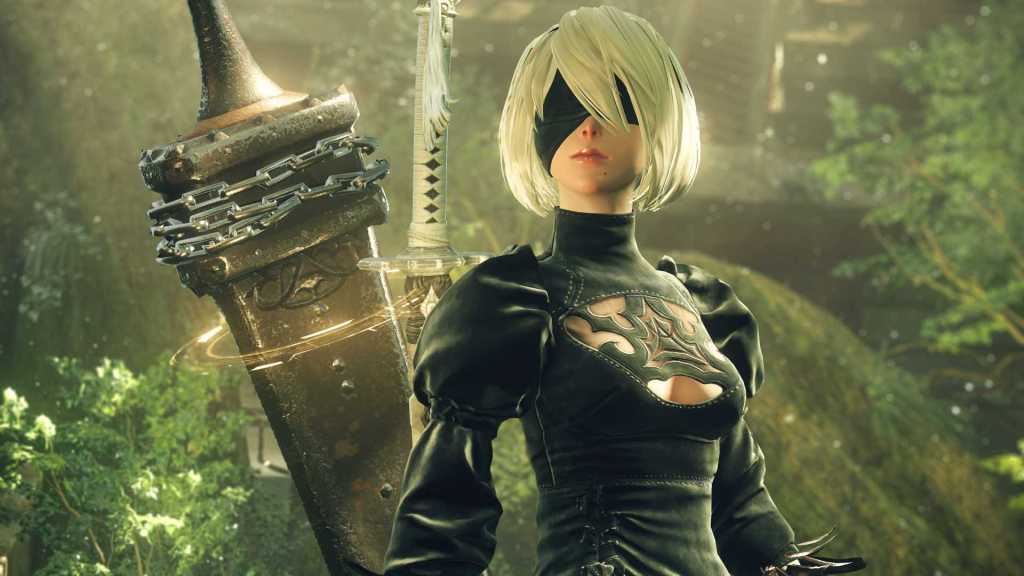
InMost tells a harrowing story about loss and grief, but in a way that I’d never seen told before. Spiritfarer made me cry 11 times, and it’s a game I’ll happily replay to cry 11 more times. Disco Elysium is often credited as the greatest-written game of all time, and rightfully so. Its politics, characters, and world are some of the deepest I’ve ever experienced in a game. Citizen Sleeper tells some of the most beautiful, humanistic stories within an otherwise dystopian, artificial world.
Personally, I’d put both The Witcher 3 and Cyberpunk 2077 at this level, too. Yes, I know CD Projekt RED lost a lot of goodwill with the initial release of Cyberpunk. However, I only played it via the Ultimate Edition in 2023. And the experience that I had with it was one of the most incredible I’ve had with any game, ever. CD Projekt RED are masters of side-quests on a narrative level. There are so many impressively written and thematically nuanced quests in both games. Stories of love, loss, grief, money, power, and so on; all done in a manner that’s not just surface-level guff, but genuinely layered and has something to say.
There are so many games that I haven’t mentioned or have yet to play that I’m sure would fit perfectly at this, or any other level. Games like Planescape: Torment and Terranigma are two that I’ve heard a ton about, many fans calling them some of the greatest games of all time from a storytelling perspective. I also have yet to play MGS4 and its 10 hours worth of cutscenes. But, for now, I’ll leave it at that.
There you have it, the seven levels of video game storytelling. Let me know your seven examples in the comments below! If you disagree with me and my picks, keep that sh*t to yourself.
 Pixel Swish
Leave a comment