
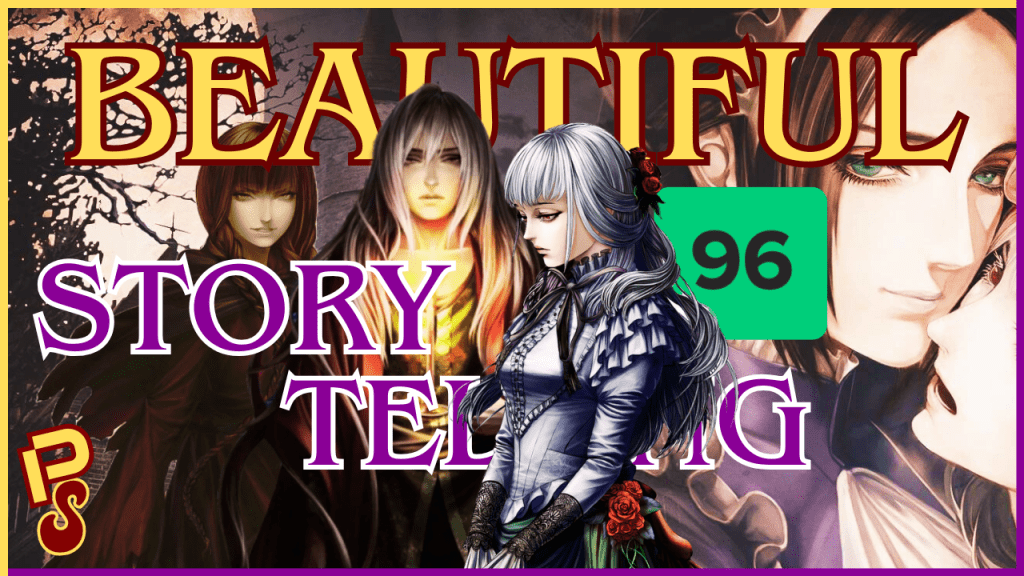
A few years ago, I was spending a morning sitting on my couch, a cup of coffee in hand, perusing the latest games reviewed on Metacritic. I saw some titles with aggregate scores in the 80s, some in the 70s, and some in the 60s—you know, the usual suspects. But then, I was met with a score I rarely see. I came upon a title with that stark green box next to it and the numbers ‘9’ and ‘6’ inside it. “A 96?!” I exclaimed. It was for a game I’d never heard about: The House in Fata Morgana. This version, specifically, was the Dreams of the Revenants Edition, released for the Nintendo Switch in 2021.
A quick bit of digging later, I learned that Fata Morgana was originally released for the PC and iOS by developer Novectacle back in 2012, with various ports to most modern hardware coming over the next decade, which I’m sure was due to the slow but rising popularity of the visual novel. And yes, that’s right—The House in Fata Morgana is indeed a visual novel.
Now, upon hearing that, I, like I’m sure many of you right now, furrowed my brows just a little at the notion that a title within a genre that stretches the classification of “video game” was now standing amongst other critically acclaimed games like Half-Life, Elden Ring, and Tears of the Kingdom.
Not to mention, it does so with only 10 critical reviews under its belt. Still, its score on another popular aggregate site, Opencritic, stands at a ‘93’ with 16 critical reviews—also one of the site’s highest scores. Now, review scores are far from the be-all and end-all when considering a game’s quality. But the game is also showered with praise from players across various platforms. At the very least, any judgment about the genre of this title should be set aside because everyone, ostensibly, who has played this game, critic or otherwise, absolutely loves it. And for someone like myself, who loves film and literature and puts storytelling above all else, I knew this was a game I had to play; a visual novel I needed to read.
Well, I did, and I would like to tell you about it. To put it simply, if you’d like to pin the remainder of this essay for after you’ve completed the VN, The House in Fata Morgana is an ode to classic tragedies by the likes of Shakespeare and Dostoevsky. It weaves an intricate story about pain, love, and forgiveness. A story that spans across a thousand years, through the lives of many tragic characters, and touches upon a multitude of themes. All of which are elevated through gorgeous artwork that uses brilliant colour theory to bolster its themes and character relationships. It also has some of the most hauntingly memorable music I’ve ever had the pleasure of listening to. This is a story I’d highly recommend anyone give a read, even if you’re unfamiliar with the visual novel genre.
Now, it’s impossible to tell you about this story and analyze its themes without delving into spoiler territory, so use this moment as a spoiler warning for The House in Fata Morgana.
Chapter One: The Story
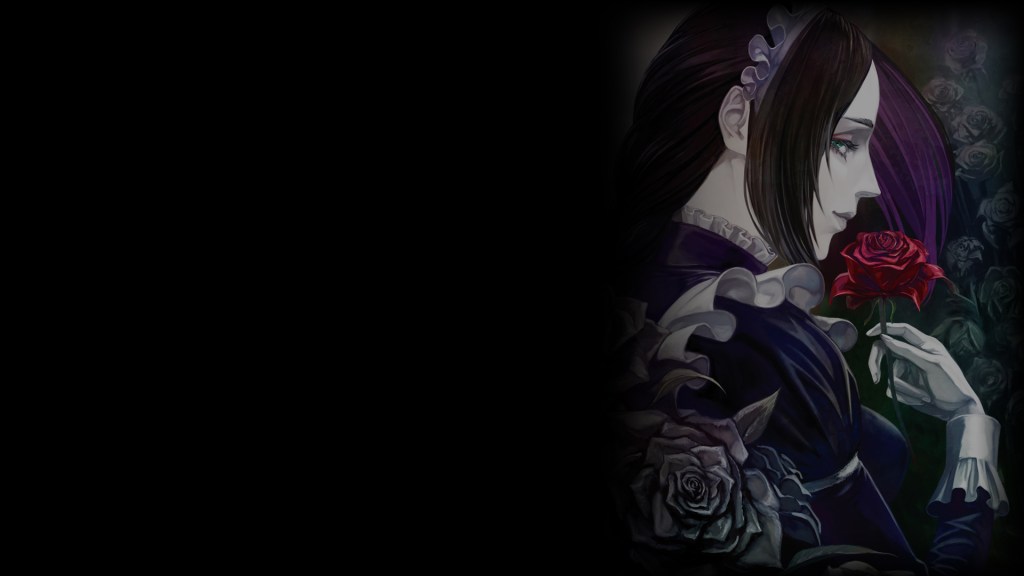
The story begins with you, awakening in a dark, desolate mansion, unfamiliar with your surroundings or even the body you inhabit. You’re soon called “Master” by a dark-haired woman with striking green eyes. She tells you that she is a servant, a maid who works in this mansion, and that you are its current owner. After a brief conversation, the maid tells you that to reawaken your memories, you must travel through the mansion’s various doors, each of which will take you to a different time and place, through the memories of the mansion’s previous owners. And so, holding her hand, you are guided through to the first door, back when the mansion was called Rose Manor.
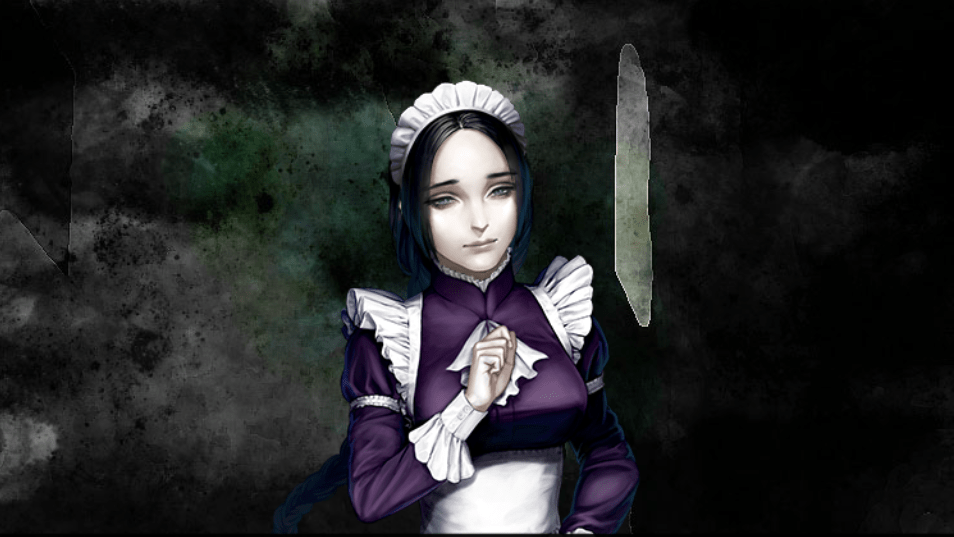
Door One takes place in 1603, when the mansion was inhabited by brother and sister Mell and Nellie, the children of the noble Rhodes family. Mell is a quiet, studious teenage boy, and his younger sister, Nellie, is a rambunctious little girl. Though their relationship is a close one, Nellie’s love for her older brother borders on obsession, as her feelings for him teeter on the inappropriate.
This obsession becomes clearer when a mysterious White-Haired Girl arrives at the mansion as a servant and quickly catches Mel’s gaze. Nellie is driven mad with jealousy at the idea of somebody taking away her “prince,” and the story unfolds with twists about the White-Haired Girl’s true identity—being that she is both siblings’ half-sister through an affair had by their mother, bringing to light that Mell’s desires may be just as impure as Nellie’s—and ends with all three characters distraught and mired in the miasma of the truth.
Desire, obsession, and the baseness our humanity is capable of when both of those elements aren’t met are themes that will persist through the next two doors.
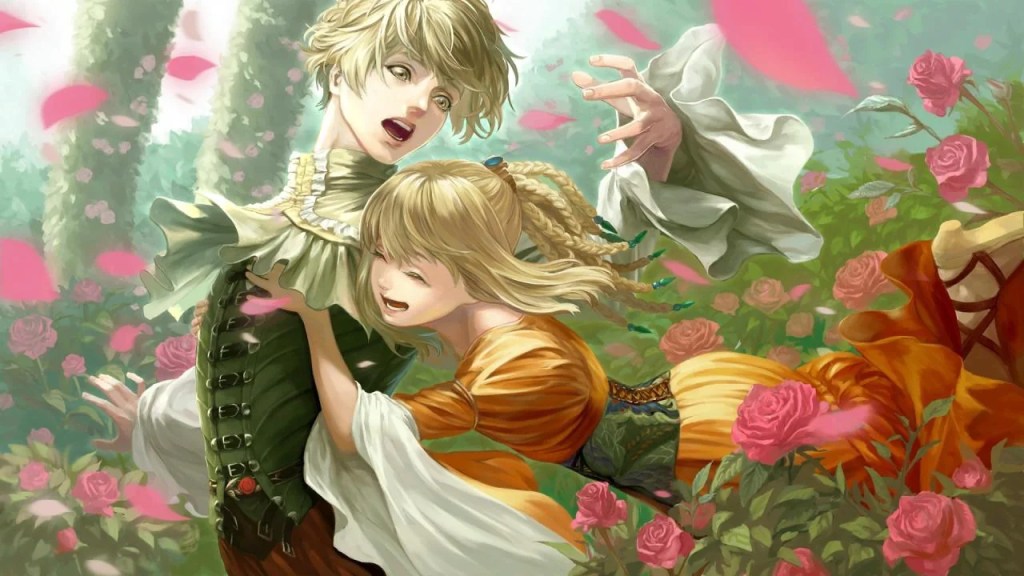
Door Two tells two separate stories, a hundred years after the tales within Rose Manor. The first being that of a Beast, a creature of bloodlust who had been driven out from a local village due to their otherworldly appearance, who now resides within the confines of the decrepit mansion—a place whose walls also keep their desires of death and destruction at bay. The Beast’s only companionship within this mansion is that of The Maid—yes, that same maid who welcomed us upon awakening, and who had also been a part of Rose Manor. The second story is that of a beautiful young woman named Pauline, who is visiting the same village where The Beast once lived, desperately looking for her lover, a Japanese merchant.
Eventually, the mansion receives a familiar guest, the White-Haired Girl, who we see this time around as a blind and helpless woman whom The Beast takes in, if only because she cannot see what he looks like. As time passes, the White-Haired Girl becomes somewhat of a tether that brings The Beast closer to his humanity. However, this tether is quickly torn once another Beast arrives at the mansion.
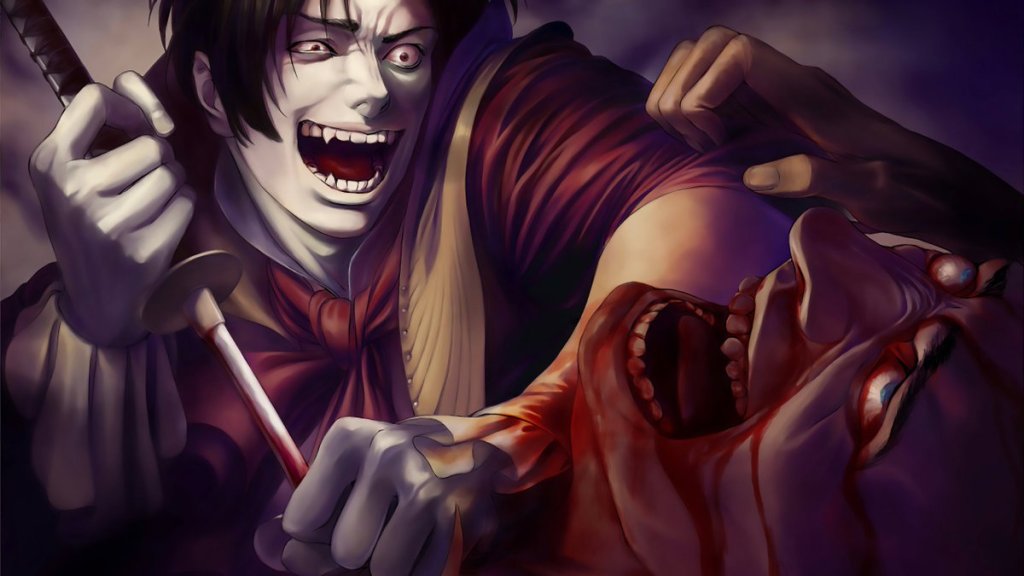
What is eventually revealed is that the Beast is Pauline’s lover, a Japanese merchant named Yukimasa who had lost his memory in a shipwreck and, after awakening in this foreign land, faced immense prejudice by the local villagers due to his race. Being abused and driven out by these racist people and forced to isolate in this mansion had marred the merchant’s psyche and led him to glom onto this “beast” persona, wherein he revelled in his hatred for the villagers and, in turn, humankind at large.
Any questions of whether any humanity was left within the Beast are laid to rest when he, almost unflinchingly, kills Pauline, the woman Yukimasa once loved, when she arrives at the mansion looking for her lover. You see, Pauline is half-Japanese, and Yukimasa, as The Beast, when seeing her after so long and after he’d lost his memory, saw her as another “beast” with features similar to his and killed her in order to protect the White-Haired Girl.
Once again, just like in our first story within Door One, we see that the White-Haired Girl acts almost as a catalyst to the unfurling of the depravities of those residing within the mansion. But who is she? And why does her appearance go unchanged even though these stories take place hundreds of years apart? Well, I’ll delve into that after telling you the story within one more door.
Door Three takes us another hundred-or-so years later and tells the story of Jacopo Bearzatti, a young, ruthless businessman and an immigrant to “The New World” who worships profits above all else. The mansion is now surrounded by industry; factories and buildings spanning as far as the eye could see, and Jacopo dreams of seeing his name etched in the history of industrialism, if only to mask his desires of assimilation, being an immigrant. As you might’ve guessed, such dreams will not be unfolding in the way our wide-eyed capitalist may have hoped.
It starts, as always, with the White-Haired Girl, who is incarnated in this era as Jacopo’s mild-mannered wife. The two’s relationship started not of their own volition, but rather one that was arranged. That, coupled with Jacopo’s time being occupied with his work and his seeming disinterest in showing any kind of affection towards the White-Haired Girl, his wife, made their marriage bereft of warmth and love.
Save for one particular day, wherein Jacopo made an effort to take his wife into town and show her some new inventions making waves in this new, industrialized world. One particular contraption had the White-Haired Girl enraptured: a phenakistoscope. A small, wheel-shaped device used to create the illusion of moving images. The White-Haired Girl’s amusement breaks Jacopo’s guard somewhat as he allows for some genuine warmth, and possibly even love, to arise for his wife.
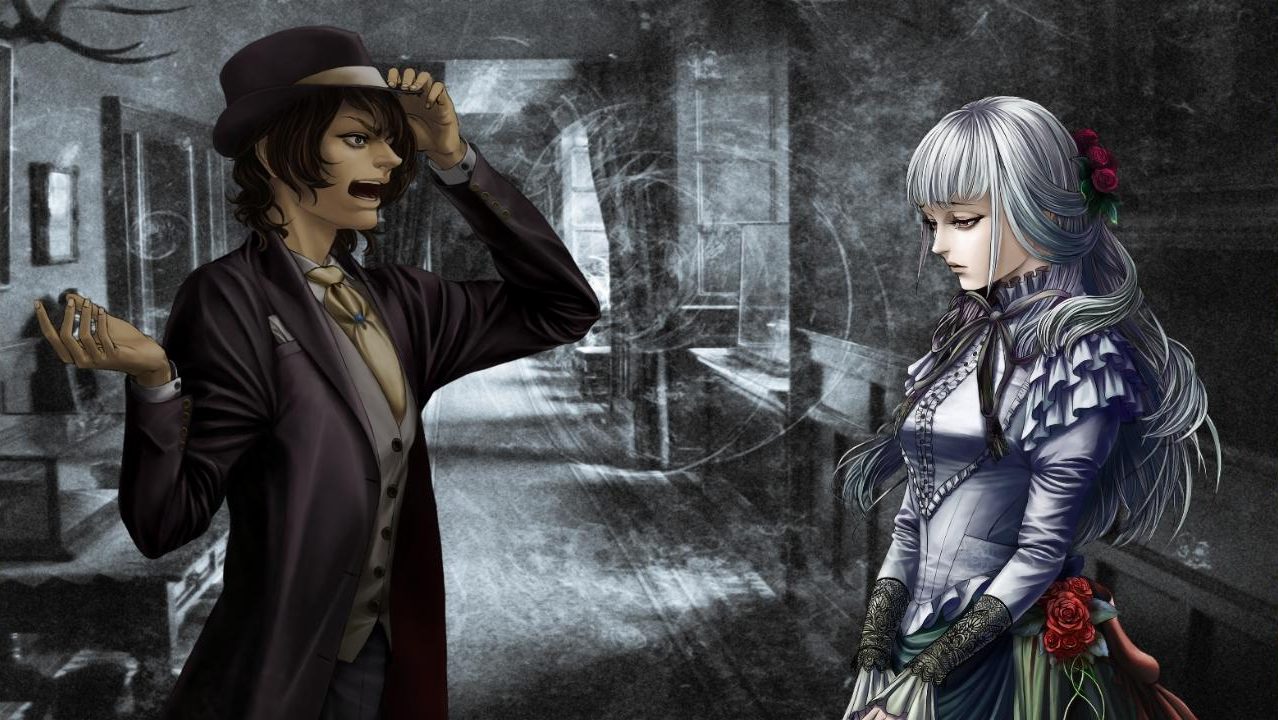
However, this moment of warmth would only last in a vacuum, a vignette, as Jacopo would return to his usual business dealings, often leaving the White-Haired Girl alone or berating her for intruding during his various meetings. Their relationship inspired open gossip amongst the servants of the mansion, including one named Maria, who seemed to know Jacopo better than the others.
It is later revealed that Maria is a childhood friend of Jacopo and was a part of the once-powerful Campanella family, who had been betrayed and forcibly overthrown by the Bearzattis. Now, Maria is forced to work as a maid under the man she once called a friend and whose family had destroyed her own. Knowing the special privileges she has within the mansion, and that neither Jacopo nor the White-Haired Girl are aware of the grudge she still holds against him and his family, Maria manipulates both husband and wife, orchestrating a plan to enact her revenge.
What transpires is a series of harrowing events, which end in Maria’s death, the White-Haired Girl running away from the mansion—lost, betrayed, and abandoned; and Jacopo spending the rest of his life in isolation, acquiring all the wealth he’d always dreamt of, yet never finding the love he’d once had with the White-Haired Girl.
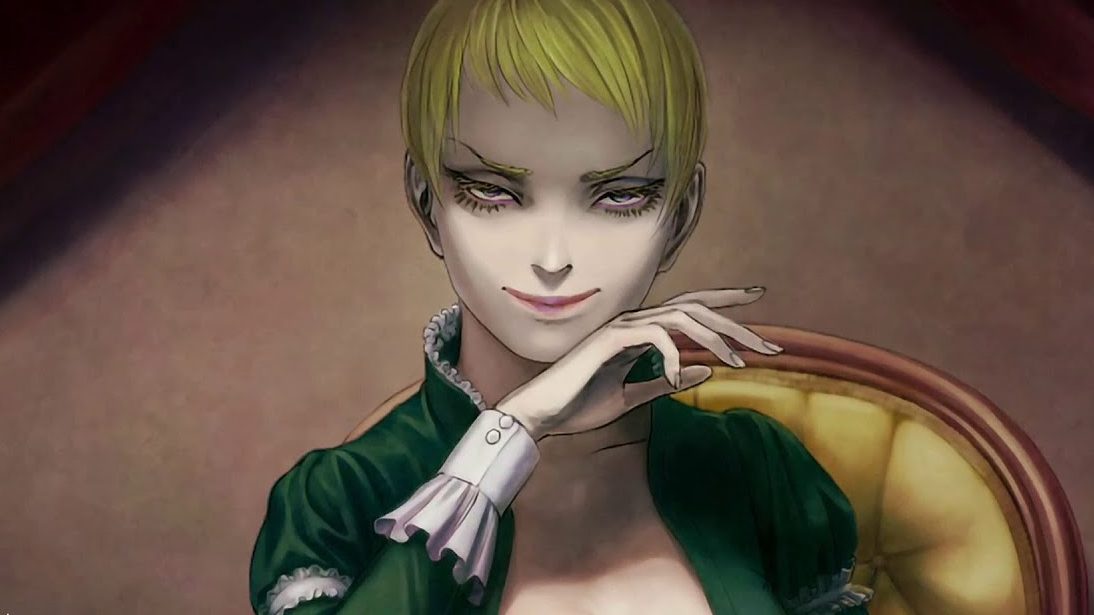
Once again, the White-Haired Girl is the critical character whose existence is used in a story to mark the downfall of a man. A man who, similarly to both Yukimasa and Mell, revels in their own base desires, which in this case are dastardly amounts of money and power. Mell, Yukimasa, and Jacopo. Two men and a boy, all with tragic endings (maybe deservedly so) and whose demise are all met, in one way or another, through the different incarnations of the White-Haired Girl.
Chapter Two: The Search for Truth
So, I’ve just spent the past 1500-ish words telling you the intricate and tragic stories behind Doors One through Three. And yet, this is not the story of The House in Fata Morgana. This story is not about incestuous Mell and Nellie; it isn’t about the bloodthirsty Yukimasa; and it isn’t about Jacopo and Maria and their mafia family. I mean, it is, but not really. This story is about you. You, Michel, who awoke in this decrepit mansion, listening to the words of this mysterious maid named Giselle. And this story…is about a girl named Morgana.
Let’s start with you. You were born as Michelle Bollinger, a child with white hair, red eyes, and pale skin, and are a part of the aristocratic Bollinger family. Your story begins in the late 11th century—hundreds of years before the stories behind the first three doors. Now, you might be wondering why I’m spelling your name that way and not the way I’d spelled it just a while ago. Well, it’s because you, Michel, were born intersex, raised as “Michelle,” the daughter of Lydia and Antonin Bollinger, and sister to your brothers, Didier and Georges. You, however, never identified as female. You were always male. You were always “Michel.” When you made such assertions, and when puberty gave you more masculine characteristics, your mother fell into hysteria, telling you and the family that you were “cursed,” forcibly locking you inside a room, wherein you had to suffer through horrific cruelties.
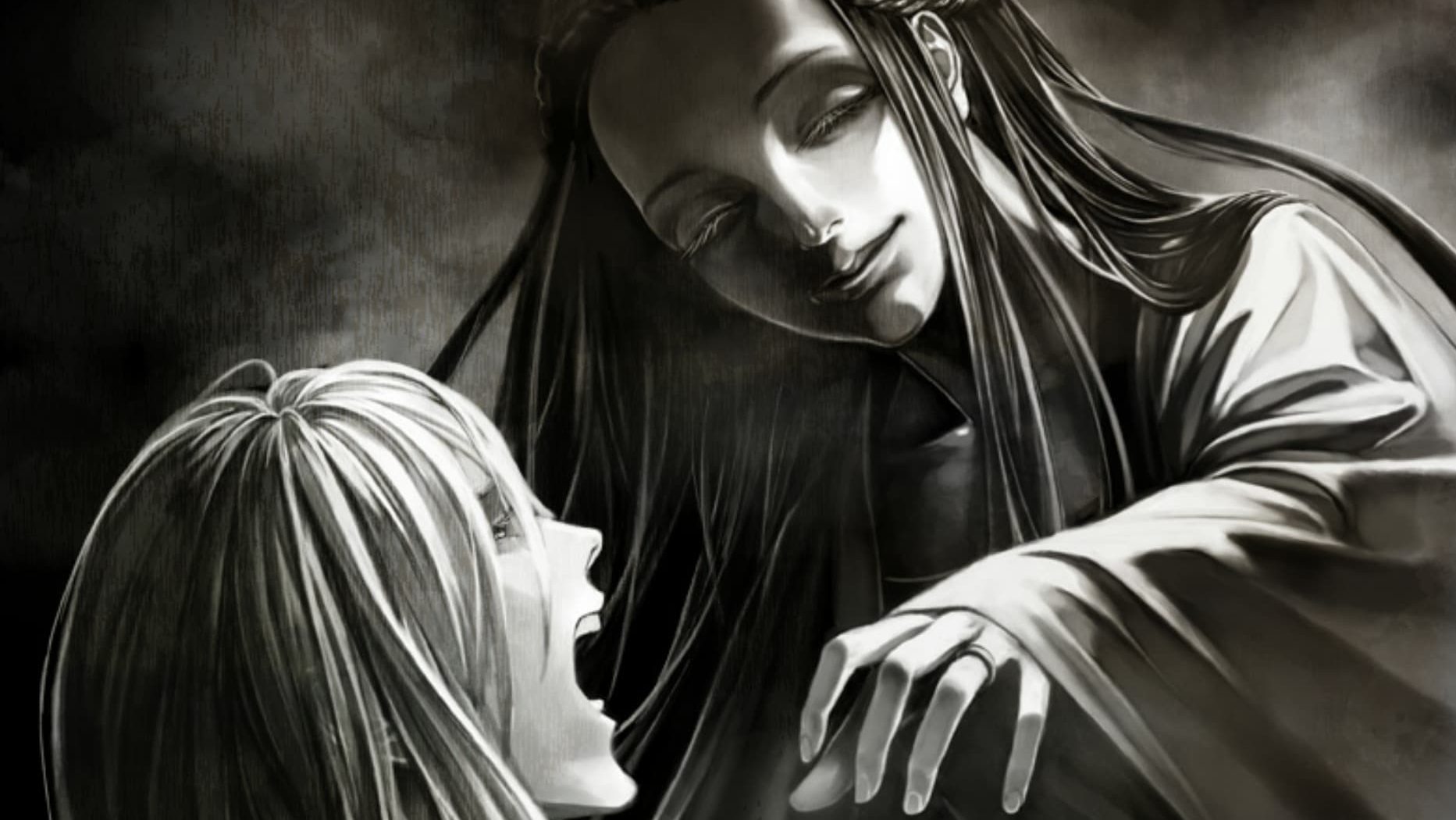
Much time passed, and your father, furious and fearing for his family’s reputation, began considering killing you. Unwilling to leave you to such a fate, your mother and brothers made plans for your escape, thinking it best that you spend the next few years in a mansion under their ownership that has long been abandoned. And yes, it is indeed that mansion. After years of being isolated in this mansion, you became sullen and void of much emotion. Rumours flooded the local townships that a “witch” resided in the mansion. That witch, of course, referring to you. They said your blood was tainted and caused death. It wasn’t until a dark-haired woman with striking green eyes finally met your acquaintance and brought some much-needed light and kept those whispers at bay. Her name is Giselle.
Now, this story—the one of you and your relationship with Giselle—isn’t revealed as straightforwardly as I’m putting it. The Maid has you go through Door Four, wherein you see the story of a white-haired man living in exile in the mansion due to his supposed curse. “Giselle” appears as the White-Haired Girl, a woman banished and labelled a witch. You then see a love blossom between the two, before it meets its tragic end with villagers coming to kill the girl. Though the man manages to save her, his tainted blood comes in contact with her skin, leading to her death, which then spurs the man on a mission for revenge against those villagers, and finally ends in his demise as well.
It is after his death that we, finally, meet the real witch of the mansion: Morgana, who comes to the White-Haired Girl, who has managed to survive coming in contact with the man’s blood. Morgana offers the White-Haired Girl a chance to meet him again, for both of them to live happily in another life. However, to do so, she must agree to be reincarnated over and over again, so that both of their fates may one day align. And so, the White-Haired Girl agrees to the contract.
When you step out of Door Four, what is revealed is that much of the story within that door was a fabrication. One made by The Maid, who now insists that you are the White-Haired Girl. But this is not the truth. The Maid, up until now, has been somewhat of an unreliable narrator. The truth is that The Maid is Giselle. Your Giselle. Who had, after centuries of waiting, lost her memories. And you are, indeed, the white-haired man by the name of Michel. Both of you, now knowing the truth, head into the real Door Four, where the actual events and backstories of your lives, and how Morgana has twisted your fates, are revealed.
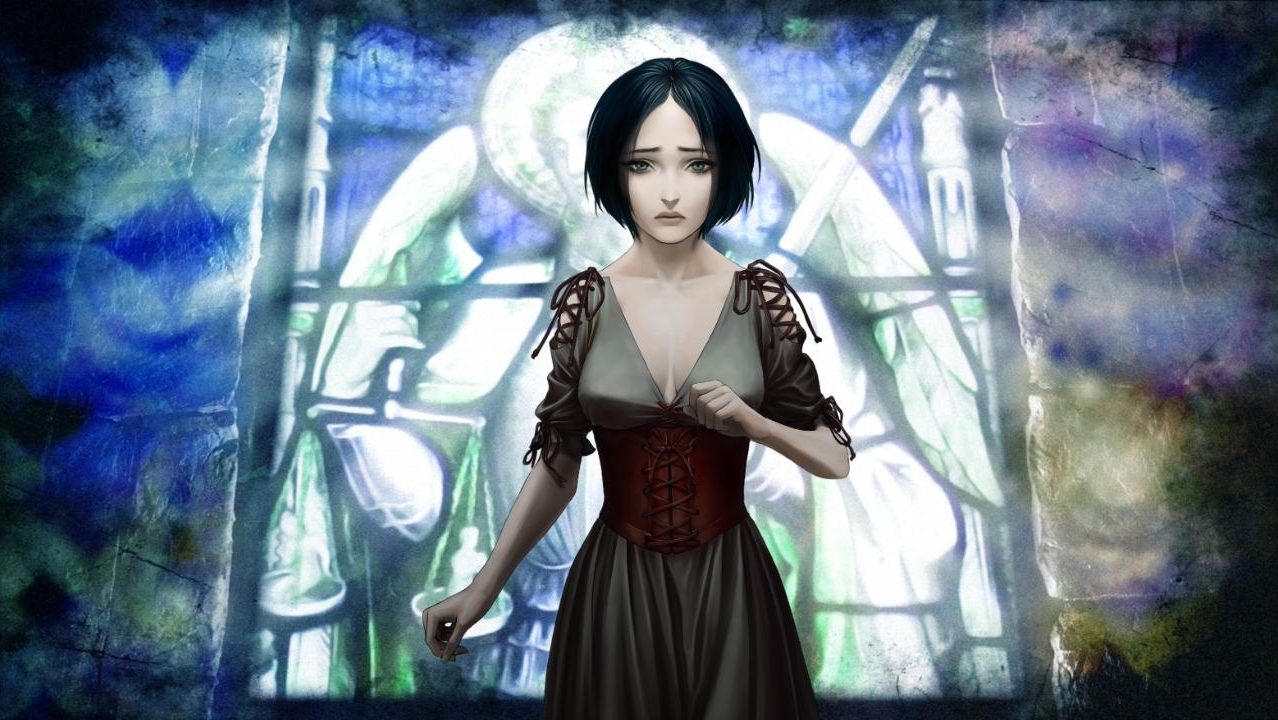
Giselle, who was the daughter of a lowly merchant, was brought to the Bollinger family’s estate to work as a servant. Her time there, however, was not a pleasant one. Michel’s father regularly took advantage of Giselle, often abusing her both sexually and physically. Once Michel’s mother, Lydia, found out, she became livid and banished Giselle to the abandoned mansion, wherein she was told to look after their cursed son: You. (Because, of course, blame the woman and not your disgusting husband).
The relationship between you and Giselle is showcased far more honestly in Door Five, much more human. It’s one where both of you butt heads, bicker, and eventually find solace in sharing each other’s past pains after much friction, through which a genuine love blossoms. Unfortunately, the events of Door Four, where you are killed by a mob of villagers who think you are some accursed witch, remain true in Door Five, albeit it’s far more harrowing this time around, considering the truth of your and Giselle’s story.
After your death, Door Six begins with Giselle making a deal with the real witch of the mansion, Morgana, who tells her that your reconstruction is assured. That, to once again be reunited with you, she must endure her time within this mansion. To live within, and only within, its walls and be the subservient Maid for all the masters that are to come. And so, Giselle lives for hundreds and hundreds of years, much of it in dark solitude, and then goes on to be the omnipresent Maid throughout the stories of Mell, Jacopo, and The Beast. Until she finally meets you again, when she calls you “master” at the start of this visual novel.
It’s here in the present where Morgana takes Giselle away, and you must wander the mansion to collect three keys from its spirits—who are, no doubt, the spirits of Mell, Yukimasa, and Jacopo—to make your way once more to the top of the mansion’s Observatory Tower—the same place where you had been killed all those years ago. And it is here where the most important character’s backstory is revealed. That of the witch: Morgana.
As a young girl born in the late 10th century (about a hundred years before your story with Giselle), Morgana was raised to believe she was a saint who could perform miracles. Much of that was due to her mother’s insistence that she was a virgin before giving birth to Morgana. As such, when a villager fell ill, Morgana would offer them her blood to drink. Every time a villager was “cured” from their maladies after drinking her blood, her role as this “saint” was further solidified, and, eventually, horrifically commodified by both her mother and a wealthy lord who cut her flesh at will to serve nobles—leaving her body tragically and irreparably scarred.
When a slave revolt freed Morgana from such wicked acts, she found peace living in a brothel, where a woman who looked starkly like Maria from Jacopo’s story in Door Three took her in and cared for her. Speaking of Jacopo, there was also a man who looked very much like him who was also a part of Morgana’s life during this time and whom she grew close to as well. Unfortunately, these days of peace would be fleeting as the brothel would come under attack by bandits, with Morgana being taken away in a carriage full of other slaves.
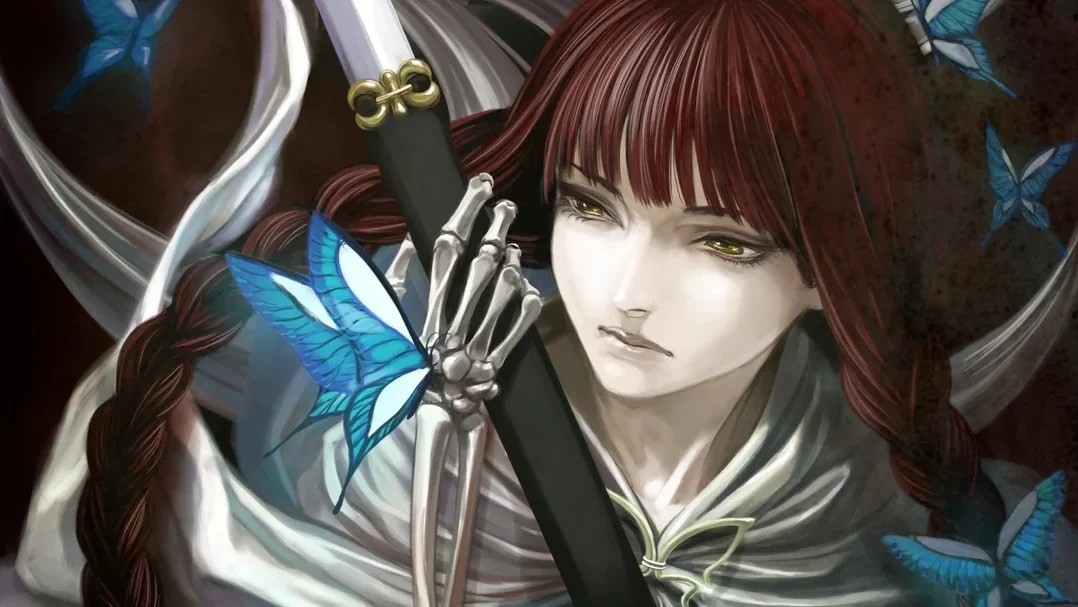
It’s during this revolt that the young man who looked like Jacopo would take his chance to conjure a scheme that would make him the next lord, fabricating a story with an elderly woman that would make him the rightful heir to the throne. Back with Morgana: A strange man enters the carriage and swiftly, and almost “Beast”-like, disposes of the slaves save for Morgana for one reason or another. Morgana, now bereft of any notion of love, warmth, or belief in humanity, decides to live out the rest of her life as a hermit in the forest by a lake.
As time passes, she soon becomes known to some as a healer, giving out her blood to those with ailments, yet she never shows her face outside of her home. It’s here where we see the original incarnations of Mell and Nellie, the siblings who would get reincarnated in the Rose Manor from Door One hundreds of years later. Here, in Morgana’s original time, they are noble children who have been cast away by their parents and now live alone.
Their relationship, however, is still very much the same as that of their reincarnations. Nellie still considers Mell as her “prince” and harbours incestuous feelings towards her brother. Mell, though he doesn’t reciprocate those feelings, does enjoy the pedestal atop which his sister places him and basks in her admiration of him. Eventually, as the pair struggles to make ends meet, Nellie falls ill. Hearing about a magical healer from local townsfolk, Mell travels to Morgana, who gives him her blood for Nellie to drink. When Nellie only partially recovers, Mell returns to Morgana, and their meetings go on to become regular, with Morgana giving him her blood each time but also, eventually, softening up to the boy.
Alas, peace is never everlasting for our dear Morgana, as the lord (who we will eventually come to know as Jacopo’s original incarnation) sends out a mercenary (who we will eventually come to know as Yukimasa’s original incarnation) to capture Morgana. The lord plans to keep Morgana as a slave, hidden away in the church, where he can siphon away her blood to give to townsfolk in exchange for donations. Yukimasa makes his way to Mell, who, coming face-to-face with the Beast’s sword, leads the cold swordmaster to Morgana’s cabin. Yukimasa chops off Morgana’s arm and gives it to Mell as payment, then takes Morgana back to Jacopo.
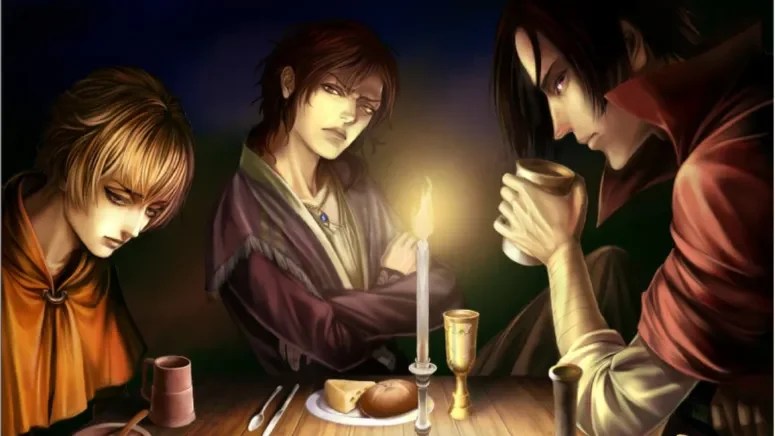
Mell, riddled with guilt, throws Morgana’s arm into the lake and runs back to Nellie. After some time passes, Yukimasa returns to Mell and offers him a chance to collaborate with him and the lord in preserving the secret of Morgana, who remains captive. Seeing that he may face Yukimasa’s wrath if he refuses, and acknowledging that he could profit from the scheme and help his sister with the tithes that the church would receive, Mell accepts. And thus, the three men continue the horrific scheme. A horrific scheme that eventually breaks Morgana, leading her to detach her persona from that of a saint and instead to that of a witch.
Morgana curses these three men who have caused her so much pain. Day in and day out, she screams for their downfall from the Observatory Tower. And thus setting in motion the tragic fates of their future reincarnations. That is, until you, Michel, come into this time, days before Morgana’s death, and change their tragic fates (or, at least, so you think). However, in order to do so, you needed to not only have these three men face the cruelties of their ways but also make Morgana lift their curses, setting her free in the process.
Chapter Three: The Search for Meaning
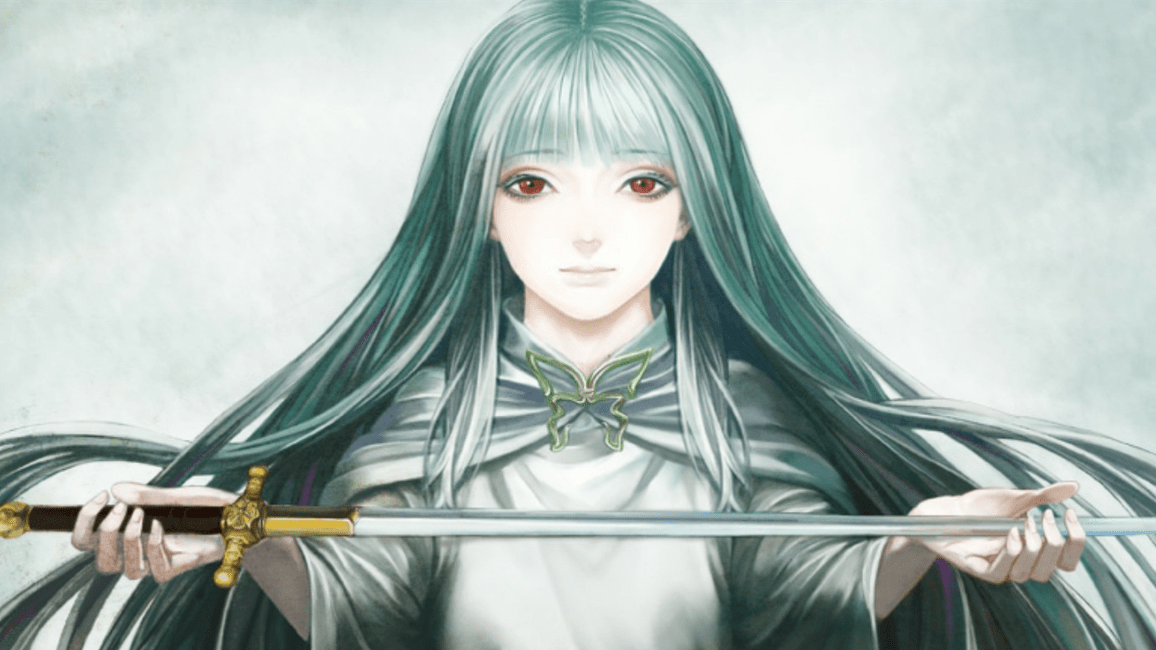
What is finally revealed is that the White-Haired Girl throughout all of those initial stories from Doors One to Three was, in fact, Morgana. The White-Haired Girl is, ostensibly, the embodiment of the goodness and purity Morgana had lost. The innocence that was stolen from her. The love she had become unable to feel. The supposed antithesis to these three men, who had, in their past lives, hurt Morgana irreversibly. She is this vessel of good and purity, who showed these men love and warmth, but was also the catalyst which punctuated their inhumanity and baseness, leading to their eventual demise.
In a way, though, the real Morgana still exists within the White-Haired Girl as we see her. This is where some beautiful colour theory comes into play through the artwork of The House in Fata Morgana. If you’ve read the book, If It’s Purple, Someone’s Gonna Die: The Power of Color in Visual Storytelling by Patti Bellantoni, you’ll know the role colour plays in not only evoking feeling but also foreshadowing future plot beats and even character traits within film. There’s a reason why Martin Scorsese uses red; there’s a reason why David Fincher’s movies have such a cool colour tone—it’s all done to stir an emotion, if not outright showcasing an important narrative or character element.
The colour red often exemplifies lust and love. However, the shade of red Morgana is drawn with, from her hair to the scars on her flesh, is a dark, murkier one. This tone, which looks almost like aged blood, signifies some of the other words red is often associated with: passion, violence, anger, and hunger. Couple that with the fact that she’s often seen donning a black robe, a colour often used to relate to sorrow, mystery, and horror, and you see how these colours are used to imbue all of the unnerving characteristics that make up Morgana.
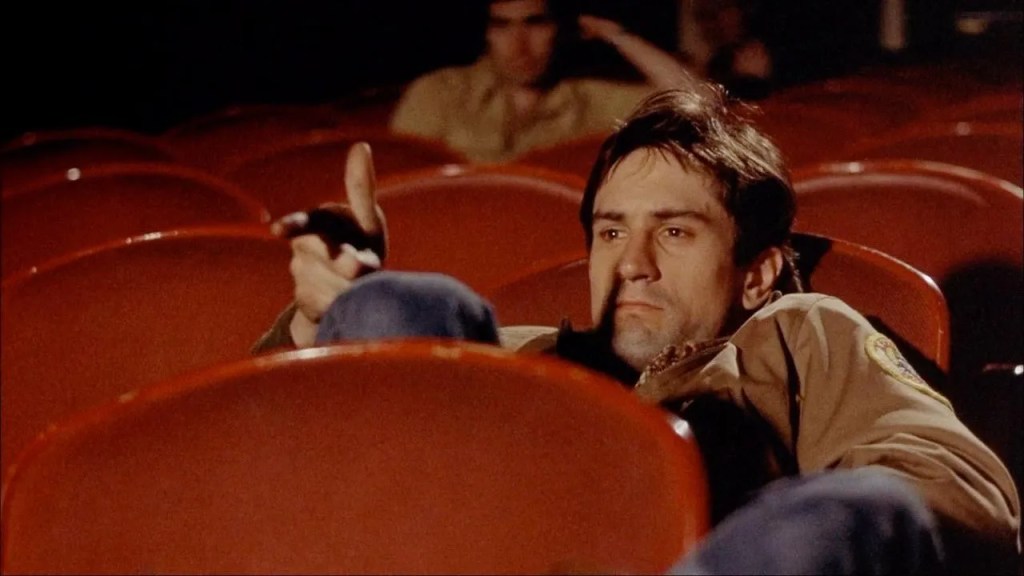
Contrast that with the White-Haired Girl, whose pale skin and white hair—a colour usually used to signify purity and innocence—stirs an entirely different emotion when we, the player, see her design. We’re supposed to feel pity at seeing this innocent girl having to suffer through such cruelties at the hands of these men. However, this innocent girl is, ostensibly, still Morgana. And we see that through one clear detail: Her eyes, which are coloured with the same unnerving red that makes up so much of Morgana’s design. They are even more unnerving on a character otherwise so bereft of colour, save for her clothing—speaking of which:
The White-Haired Girl is mostly seen wearing a dress either in the colour purple in the case of Mell and Jacopo’s story, or green in the case of Yukimasa’s story. Purple, as mentioned in the title of Bellantoni’s book, often refers to impending doom, ambiguity, or the supernatural, all of which would be apt considering who the White-Haired Girl really is and the fates of both Mell and Jacopo in their reincarnated stories. Purple is also the colour Giselle, as The Maid, wears throughout the story, which also makes sense considering she is, ostensibly, a phantom who exists between the realms of reality and is witness to the demise of so many characters.
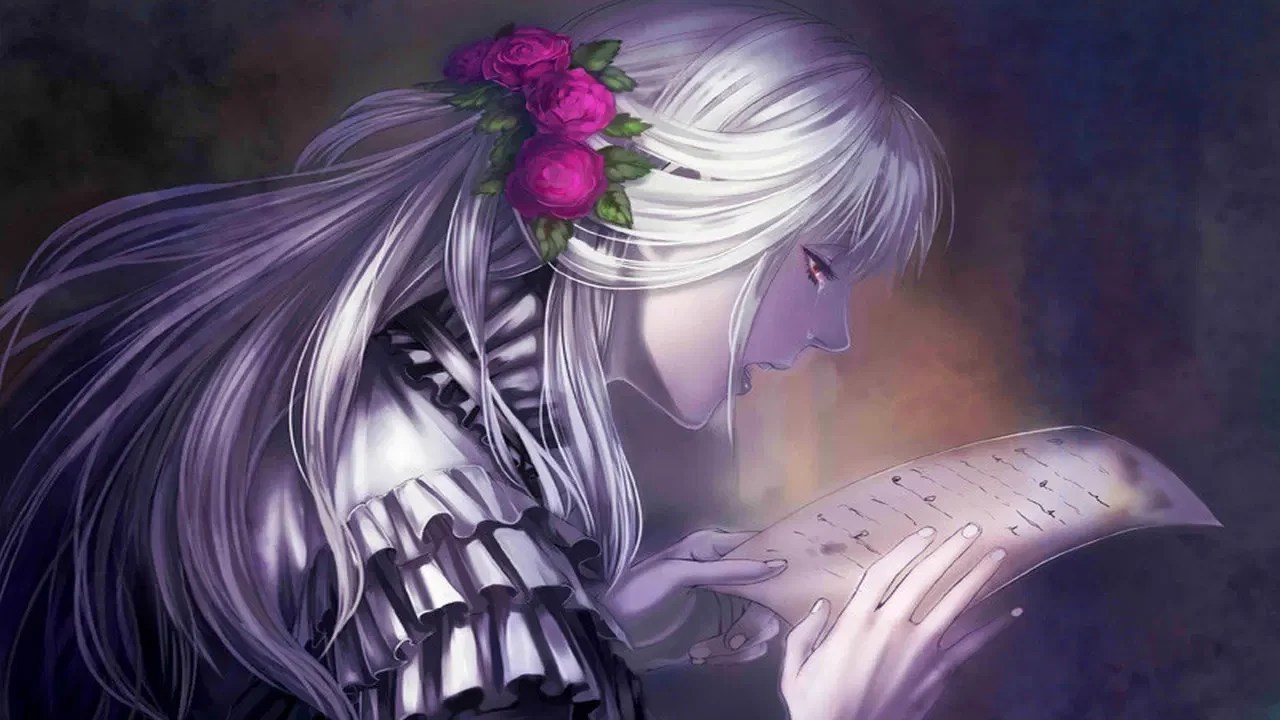
I would also like to note that the White-Haired Girl in both of those reincarnations is also often seen either carrying or wearing a vividly red rose. This, of course, is another callback to Morgana and the true desires that lie within the White-Haired Girl. Speaking of desire:
Green has been historically associated with dreams, desires, and obsessions. If you went to high school in the U.S. or Canada, you’d have no doubt been forced to read (before heading over to SparkNotes) The Great Gatsby, where the colour green is a significant symbol for Gatsby’s desire for the “American Dream.” In that same vein, the White-Haired Girl wearing a green dress in Yukimasa’s story signifies, to me, Yukimasa’s tragic and sorrowful desire and obsession for death and destruction (often why his “Beast” is a shadowy black figure whose surroundings are tainted with the colour red). Green is also worn by Maria in Jacopo’s story, signifying her obsession with revenge and jealous feelings towards Jacopo and his power.
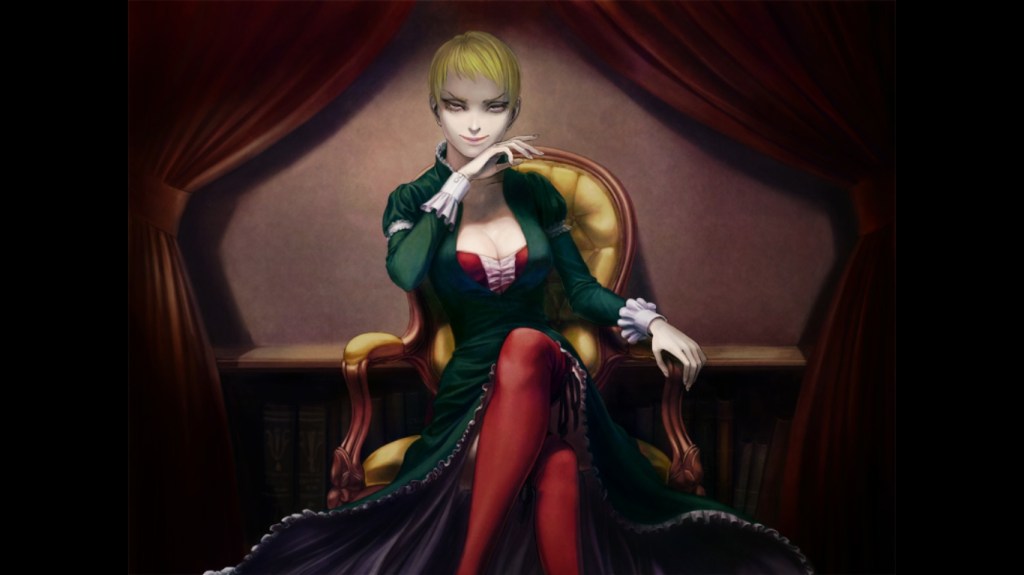
What’s interesting to me, however, is the fact that the White-Haired Girl herself doesn’t harbour (supposedly) these ill feelings towards these men, nor is she Morgana proper—yet, all these characters and their impure desires and eventual tragic fates are, in one way or another, a part of her. Morgana’s red, Mell and Jacopo’s purple, and Yukimasa’s green.
Purple and green are also colours that are very much a part of Giselle, too. As mentioned, her wearing purple as The Maid signifies her being not necessarily of this reality, as well as the impending doom she witnesses around her. Purple, in many cultures, also means mourning, which can be aptly associated with Giselle as well, as she is in mourning. She mourns you, Michel, her love, whom she desires to be reunited with one day. Which leads to the colour of her eyes: Green. Her obsession with finding you again.
To wait, no matter how long, even if it’s centuries, in the hopes of being in your arms once more. The colours of Giselle as The Maid and her colours in the story with Michel are quite different. Where she was once donned in lighter shades of green and red, almost mirroring the colours of Michel (which itself is also significant), her tones as The Maid are far more sullen and muted, almost signifying the death of her once bubbly persona after centuries of solitude.
Speaking of Michel, it’s here that I must talk about the relationship of his design and colours to that of Morgana. You see, Michel’s character is almost a mirror to that of Morgana. He also suffered at the hands of those who were meant to protect him solely due to his appearance. He also went through unimaginable pain, both physically and mentally. And he was also banished to this mansion, living in solitude and with the world having turned its back on him.
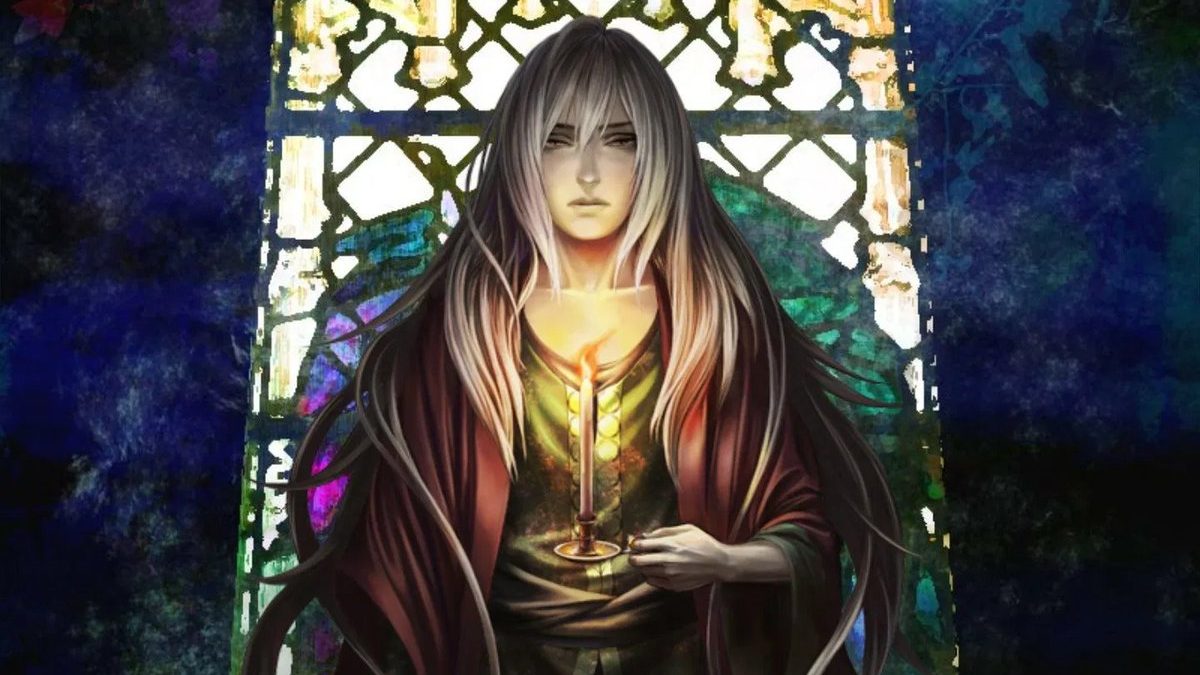
Yet, through love, through Giselle, he was able to find a way to forgive. To forgive his brothers, Georges and Didier, for betraying him; to even find it in his heart to forgive his mother and father for all of their cruelties against not only him, but also Giselle. It is why Morgana calls Michel a “saint.” Not only because the Archangel Saint Michael is his namesake and a recurring figure throughout this story, but because she cannot fathom being able to forgive those who have wronged you so horrifically—doing such a thing is not within the realms of human nature.
And maybe she’s right. Because by the end, when Michel gets through to Morgana, she doesn’t forgive Mell, Yukimasa, and Jacopo. She cannot, not after everything they’d done. She merely releases the curse she’d placed on them. Side note: I absolutely love the dialogue for Morgana during these scenes with the three men. Because it’s so beautifully human. Finding a way to move on, to release yourself from the pain and suffering of your past that haunts you, in turn releasing the anger and “curse” you had for so long placed on those who had caused the pain, yet not being able to truly forgive, is something I’m sure all of us have battled with. Maybe one day you can forgive, but you’ll never forget. One of the last lines Morgana tells Michel is, “My hatred isn’t going to just vanish, like it was nothing.”
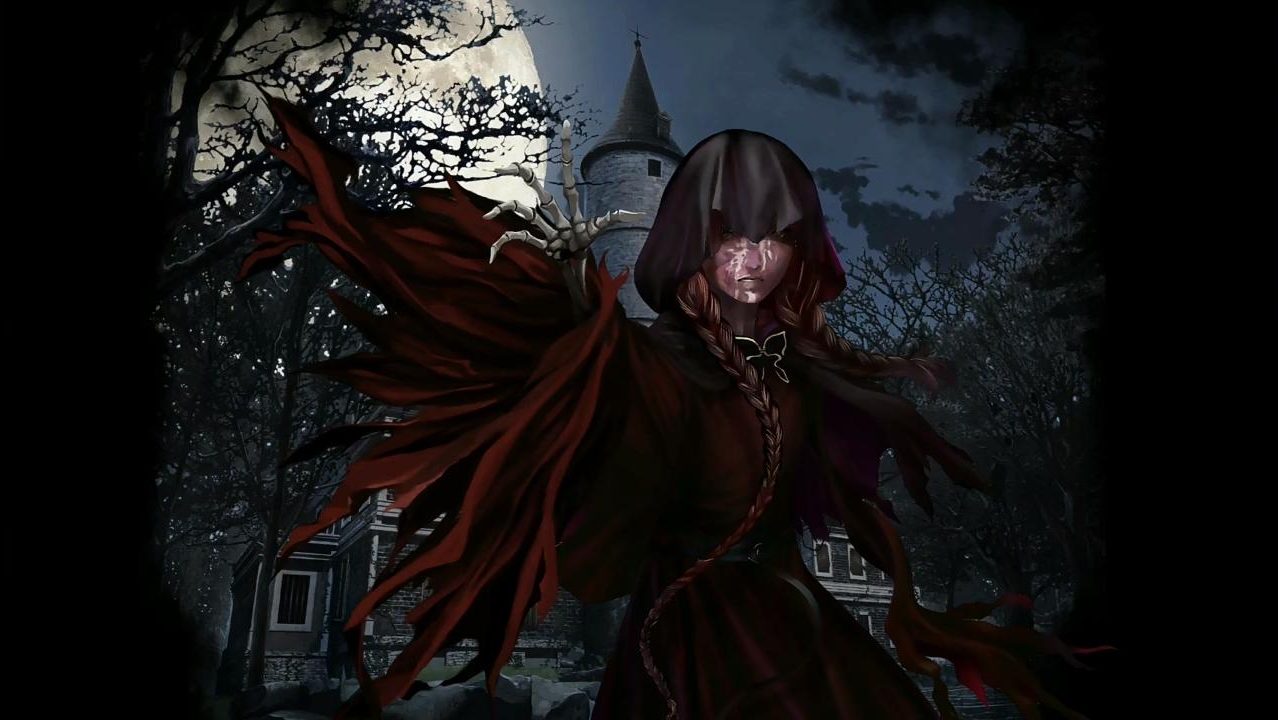
For as much as Morgana may insist that Michel is a genuine saint, a being of true virtue, much like his Christian Archangel namesake—he isn’t. Michel desired and prayed for the downfall of those who wronged him. When locked away in their home for years, he wished pain and suffering for his father, mother, and brothers. Which is why his eyes and the robe he wears for most of the story are red—Morgana’s red—signifying that underlying passion and anger. Michel is human, has human emotions, and could have gone down the same path as Morgana if it weren’t for Giselle.
The House in Fata Morgana is a tale of many tragic characters; a story that takes cues from other classic tragedies, namely Shakespeare. A video essay by the channel GenericVideoEssayMaker (10/10 name, by the way) highlights the similarities in Shakespeare’s stories, like Hamlet and Othello, to Fata Morgana; specifically showcasing how Morgana’s story is eerily similar to that of the wizard Prospero from Shakespeare’s final play, The Tempest. However, where Prospero is a true “tragic hero” who, by the end of the play, is able to forgive all the characters who wronged him, Morgana can find no such possibility in her heart. A character flaw that I find to be more interesting and painfully human.
Music plays a significant part in bringing forth the themes of this visual novel as well. Composers Mellok’n, Gao, Yusuke Tsutsumi, Takaki Moriya, and Aikawa Razuna do a brilliant job of using an assortment of sounds, from melancholic strings to haunting horns to bitter melodic trills, all in order to encapsulate and heighten the vast sea of emotions this story imbues in its readers. None of it ever sounds straightforward, either. Even a track that, on the surface, can be upbeat and jolly—as is the case for the song “Petalouda” from Door One—there’s something always unsettling the longer you hear it. Whether it’s an elongated vocal segment or some other odd instrumentation, each track offers something unique that adds a layer to the story; a layer you’ll only understand the further you read.
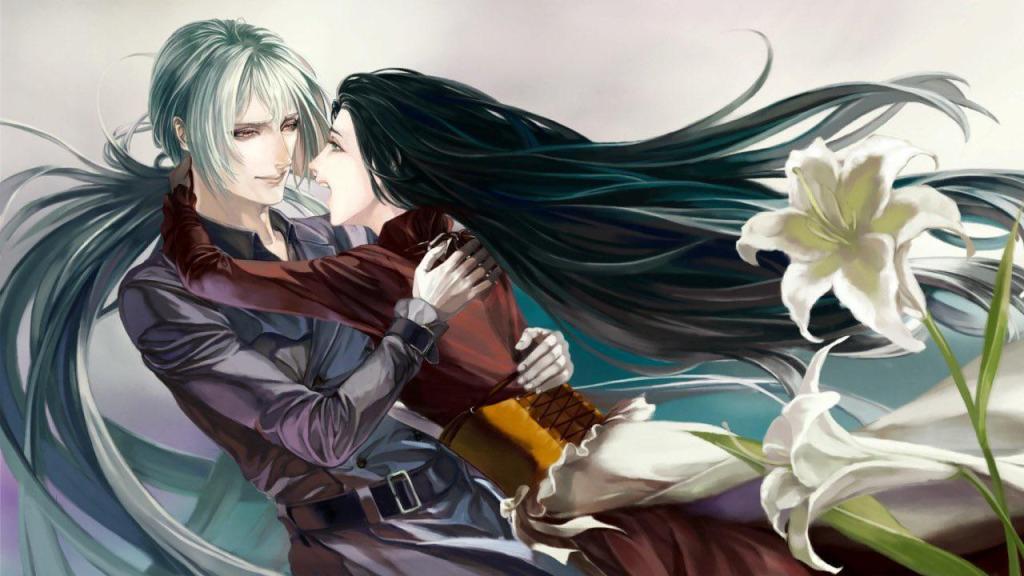
There’s a lot more that can be said about The House in Fata Morgana. But this essay has gone on long enough, so I’ll stop it there. This was an incredible story to experience; one filled with tragedy, mystery, and dissections of human folly—all enwrapped in a romance that showcases everlasting love. A story that, though it exists as a graphic novel as well, is truly brought to life through the medium of a visual novel. Sure, as a “video game,” it may not offer the interactivity or the nuanced choices of other notable narrative-driven games or even visual novels, but the moments wherein it hands off its choices to you are significant and memorable. All of its elements—from its writing to its artwork to its music—coalesce to bring forth a brilliant narrative that stands firmly amongst some of the greatest of stories ever told.
 Pixel Swish
Leave a comment