
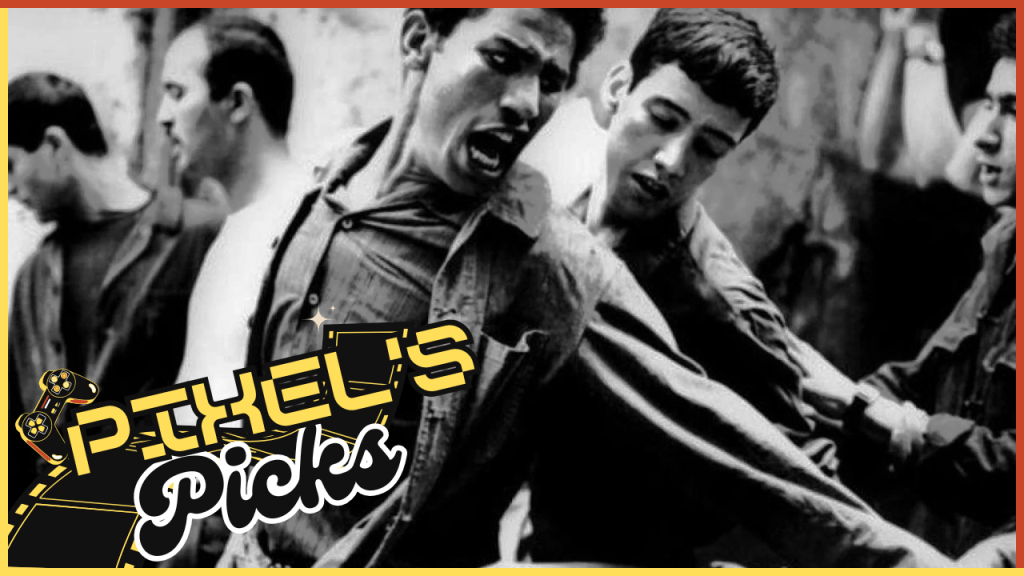
Hey, Hollywood, take notes. This is how you make a movie about revolution. This is how you accurately portray rebel movements and revolutionaries. This is The Battle of Algiers, and it’s one of the greatest movies ever made.
Released in 1966 and directed by Gillo Pontecorvo, the film follows Ali Ammar, a commander of the National Liberation Front — a nationalist political party in Algeria during the Algerian War — as he and other guerilla fighters of the FLN went into Algiers to fight for Algerian independence from the French government during France’s occupation in North Africa. The film showcases how the FLN organized and operated, as well as the extents to which the French went to stop them, including the use of illegal torture methods.
Pontecorvo purposefully shot the movie in black-and-white, while also utilizing documentary-style cinematography and editing methods. The majority of the cast are also non-actors who had lived through the war. All of these choices, coupled with some tremendous production design, brought a rawness and haunting immersion to the viewing experience. There were moments during the movie where I was genuinely unnerved by how real it all looked and felt.
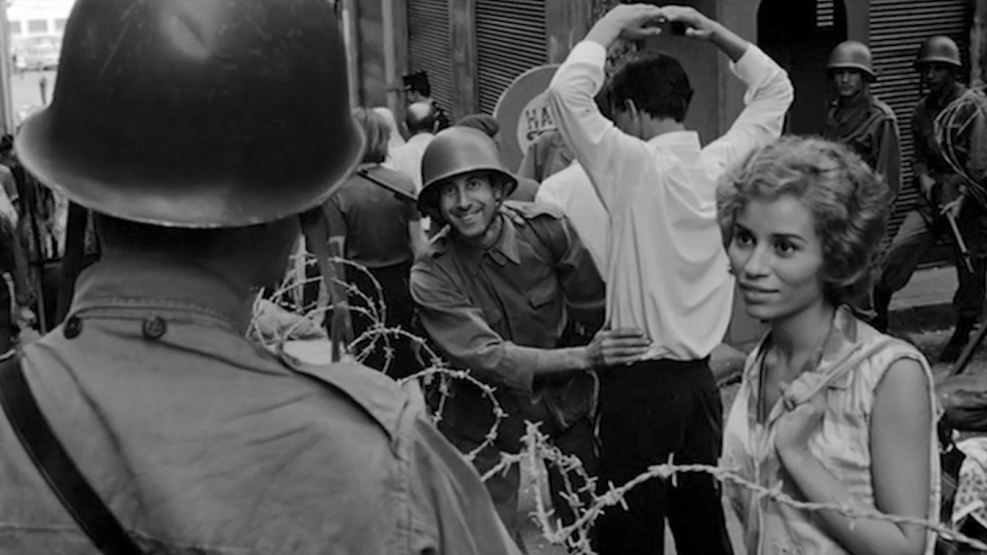
What I also appreciated was how the film never went into lurid visuals for the sake of shock and sensationalism. It also didn’t try to cartoonishly demonize the French. Because there was no reason to do so; France’s actions against the Algerian people were real and didn’t need to be made to look in any way unreal. The film also didn’t, thankfully, turn the FLN into trite caricatures of revolutionaries, like how we’ve often seen Hollywood do, time and time again (ahem, One Battle After Another). Pontecorvo ensured that the story of these characters, that the story of Algeria and their fight for independence was made into a compelling narrative experience.
As Jonathan Rosenbaum from the Chicago Reader wrote, “[It’s] one of the best movies about revolutionary and anti-colonial activism ever made—convincing, balanced, passionate, and compulsively watchable as storytelling.” It was also very interesting to see the roles Algerian women played in the FLN’s operations—something I’m not sure is very much talked about when discussing this war.
There’s a reason why The Battle of Algiers is ranked in the Top 25 amongst directors in Sight and Sound’s 2022 poll of the greatest films of all time. This was a remarkable achievement in film-making, and a cinematic experience you absolutely need to experience.


Leave a comment